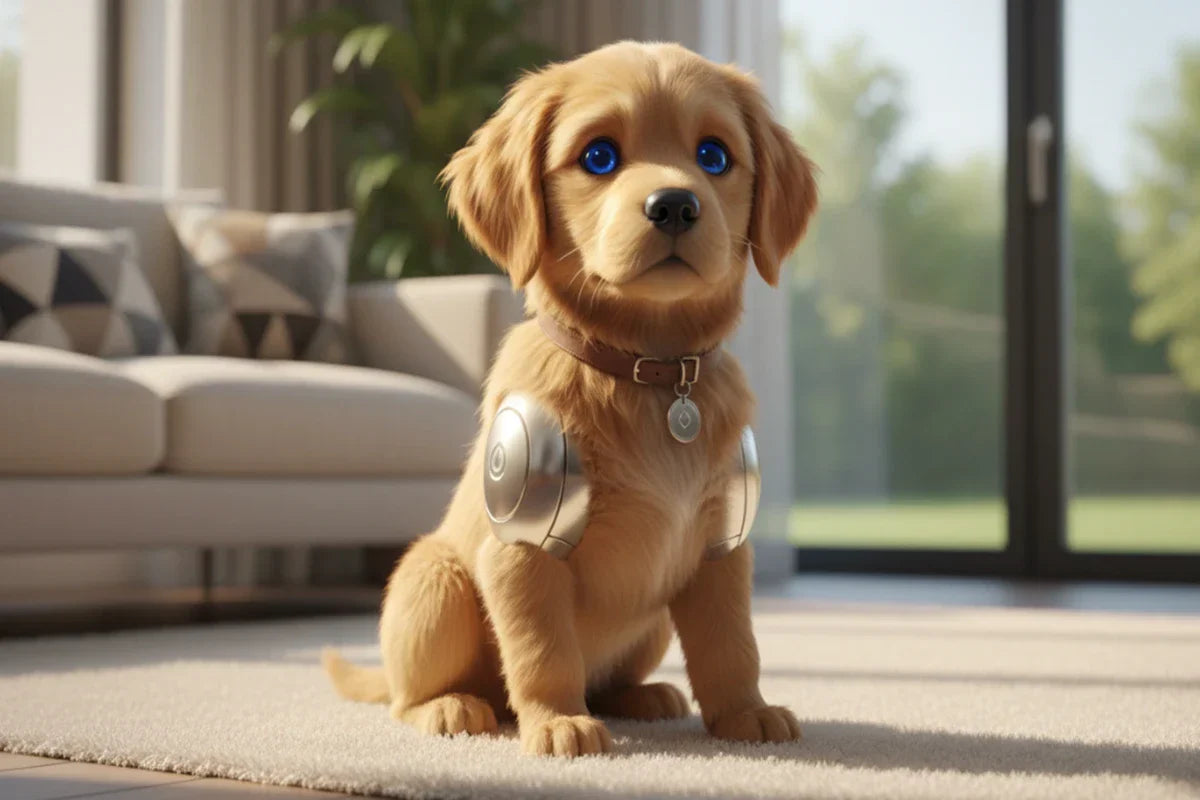






Buying an AI toy robot isn’t just about picking the cutest design or the loudest “smart” claims. The right robot can spark daily conversations, support screen-light learning, and make playtime feel more interactive—while the wrong one can end up as a pricey novelty. In this guide, we’ll break down the features that truly matter (from voice quality to offline modes), the real benefits for kids and parents, and a practical checklist to help you choose a robot that fits your child’s age, your home’s privacy expectations, and your budget.
Quick Answer
-
Definition: An AI toy robot is an interactive toy that responds using sensors (touch/voice/vision), software “smarts,” and a personality layer to create two-way play, not just pre-recorded actions.
-
What matters most: The best AI toy robots balance conversation quality, safety/privacy controls, durable hardware, and a strong content ecosystem.
-
Buying shortcut: Choose based on age fit + offline usefulness + privacy transparency + total cost (including subscriptions).
What an AI Toy Robot Really Is (and What It Isn’t)
If you’ve ever watched a kid talk to a toy like it’s a little friend, you already understand the appeal. A good AI toy robot feels responsive—like it’s participating, not just performing.
What it is
An AI toy robot combines:
-
Input: microphones, touch sensors, sometimes cameras or distance sensors
-
“Brain”: software that interprets what’s happening (speech, gestures, routines)
-
Output: voice, movement, lights, expressions, games, stories, or coaching
The magic isn’t “perfect intelligence.” It’s the toy’s ability to adapt—remember a preference, switch modes, suggest a new game, or guide a kid from one activity to another.
What it isn’t
-
Not a phone replacement: It shouldn’t push unlimited internet content.
-
Not a household assistant: A toy robot is for play and learning, not managing your calendar.
-
Not “always listening” by default: Many are wake-word based or have physical mic controls—how clearly the brand explains this matters.
Who it’s for (simple snapshot):
-
Ages 3–6: simple voice commands, short games, lots of physical feedback (lights/movement)
-
Ages 7–10: longer conversations, challenges, creativity tools, light STEM activities
-
Family play: routines, co-op games, storytelling prompts, language practice
A great AI toy robot feels interactive because it can sense, interpret, and respond in ways that change based on the child—not just play a scripted routine.

Core Features That Change the Experience
When people say “smart toy,” they usually mean one of these. The key is knowing which features actually improve day-to-day play.
A) Conversation & Voice (the #1 dealbreaker)
What to look for:
-
Response time: Does it answer quickly enough to feel like a real exchange?
-
Speech clarity in real life: Kids mumble, rooms get noisy—does it keep up?
-
Kid-appropriate conversation: Does it stay on-topic, avoid odd phrases, and handle “why?” questions well?
-
Offline or limited-online modes: Useful for travel, bedtime, or privacy-first households
-
Multilingual support: Great if your home uses more than one language
Practical tip: If conversation is the main selling point, prioritize natural turn-taking over fancy movement.
B) Movement & Interaction (what makes it feel “alive”)
Even simple movement can change everything:
-
Gestures and body language: nods, turns, “listening” posture
-
Expressive lights or eyes: emotional cues kids understand instantly
-
Touch reactions: head pats, high-fives, button-free controls
-
Obstacle detection: prevents constant bumps and frustration
What consumers often miss: A toy that moves less but responds better can feel smarter than a toy that dances a lot.
C) Content Ecosystem (the “will my kid get bored?” factor)
A robot is only as good as what it can do on week three.
Look for:
-
Variety: stories, quizzes, roleplay, music, routines, mini-missions
-
Updates: seasonal content, new games, bug fixes
-
Customization: names, voices, “jobs” (helper, explorer, storyteller), rewards
-
Difficulty scaling: grows with the child instead of becoming a novelty
For most families, the content ecosystem determines whether an AI toy robot becomes a daily companion or a one-week wonder.
Benefits for Kids and Parents (Beyond “It’s Fun”)
Yes, it should be fun. But the best AI toy robots deliver value that shows up in ordinary moments—after school, before dinner, on rainy weekends, or when you’re juggling everything at once.
Benefits for kids
-
Curiosity on tap: robots can turn “I’m bored” into a scavenger hunt, a story prompt, or a quick challenge
-
Language practice: repetition without judgment—kids will try again because the toy is patient
-
Storytelling & creativity: roleplay modes encourage imagination without a screen-heavy setup
-
STEM thinking (lightweight): cause-and-effect, sequences, simple logic games, basic coding patterns
-
Social-emotional cues: turn-taking, polite requests, naming feelings (especially with expressive feedback)
Benefits for parents
-
Smoother transitions: “one more game” becomes “let’s do a two-minute mission, then brush teeth”
-
Co-play without planning: parents can join for five minutes and still feel included
-
Screen-light entertainment: interactive without defaulting to a tablet
-
Confidence through controls: strong parental settings reduce the “what is it hearing?” worry
A realistic expectation: No robot replaces parenting. But a well-designed one can be a helpful catalyst—a tool that makes the day a bit easier and play a bit richer.
The best AI toy robots create ‘micro-moments’ of learning and calm—short interactions that fit real family life.
How to Choose the Right One: A Practical Buying Framework
This is the section that saves you money and prevents disappointment. Use this checklist like a filter—if a robot fails the basics, don’t let flashy videos talk you out of it.
Step 1: Fit (age, attention span, and play style)
Ask:
-
Will the child enjoy conversation, movement, or missions most?
-
Can the robot do something satisfying in 30–90 seconds for short attention spans?
-
Is it durable enough for real handling (drops, grabs, stuffed backpacks)?
Good match examples:
-
Chatty kid: prioritize voice quality and story modes
-
Busy hands kid: prioritize touch reactions and physical games
-
Shy kid: prioritize guided prompts and gentle encouragement
Step 2: Safety & trust (privacy is a feature, not a footnote)
Look for clear answers to:
-
What data is collected? (voice clips? usage logs?)
-
Where is it processed? (on-device vs cloud)
-
Can you delete data easily?
-
Are there physical indicators? (mic/camera light, hardware switch)
-
Are parental controls easy? (not hidden behind three menus)
Red flag language: vague statements like “we may collect information to improve services” without specifics.
Step 3: Total cost & setup (the “surprise fees” zone)
Consider:
-
Battery life and how annoying charging will be
-
Wi-Fi dependency: does it become useless without internet?
-
Subscriptions: is core play locked behind a paywall?
-
App stability: frequent crashes = a robot that ends up in a drawer
-
Warranty + support: parents value fast replacement more than fancy features
Example Pick: Loona Robot (Who It’s Best For)
If you’re looking for an AI toy robot that feels more like a responsive pet than a basic talking toy, Loona Robot is worth considering. Its biggest strength is how it interacts: quick reactions, expressive movement, and playful “personality” behaviors that make everyday moments feel lively rather than scripted.
Why some families like it
-
Expressive interaction: movement, sounds, and reactions that can feel emotionally engaging
-
Play-first design: built around games and companionship-style play, not just lessons
-
High “replay value”: kids often come back for short, frequent interactions throughout the day
Best fit for
-
Kids who love pet-like companionship and physical interaction more than long conversations
-
Families who want a robot that feels alive in the room, not just an app-powered speaker
-
Gifting scenarios where “wow factor” matters, but you still want lasting engagement
Before you buy (quick checks)
-
Confirm offline usefulness vs features that require Wi-Fi
-
Review subscription/app requirements and what’s included out of the box
-
Look for privacy controls (mic indicators, permissions, data deletion options) that match your comfort level
Loona Robot is a strong option for families who want an AI toy robot with pet-like personality and expressive movement, especially for kids who engage best through physical, reactive play.

Conclusion
An AI toy robot can be more than a trendy gadget—it can become a daily companion that encourages curiosity, creativity, and screen-light learning when it’s chosen well. The best way to avoid buyer’s regret is to focus on what actually shapes the experience: natural conversation, responsive interaction, a content library that stays fresh, and clear safety and privacy controls you can understand at a glance.
Before you buy, test it like a real parent would—listen for response speed, try it in a noisy room, check offline usefulness, and read the fine print on subscriptions and data policies. When you match the robot to your child’s age and play style (and to your household’s comfort level with connectivity), you’re far more likely to bring home a toy that’s not just impressive on day one—but still loved weeks later.
FAQ
What age is best for an AI toy robot?
Most families see the best results when the robot’s language and activities match the child’s attention span—typically preschool through early elementary. For younger kids, prioritize simple interactions and durability.
Do AI toy robots need Wi-Fi?
Some do for updates or advanced conversation. If you want flexibility, look for offline play modes so the toy still works during travel or outages.
Are AI toy robots safe for privacy?
They can be—if the company offers clear data explanations, easy parental controls, physical mic/camera indicators, and deletion options. If this information is hard to find, treat it as a red flag.